Most Kenyan homeowners are familiar with the biodigester septic tank. It has been growing in popularity as an upgrade on the traditional septic tank, using natural bacteria to break down waste continuously, reducing odour, cutting maintenance costs, and producing cleaner effluent.
But compared to a ready-made plastic biodigester, the biodigester septic tank has some limitations worth knowing before you decide. Understanding these disadvantages helps you make the right choice for your home or property.
If you are still comparing your options, start with our Plastic Biodigester vs Concrete Biodigester in Kenya guide for full context.
This is an honest look at the disadvantages of a biodigester septic tank, alongside practical ways to address each one.

1. Takes Up a Lot of Space
One of the most significant disadvantages of a biodigester septic tank is the amount of space it requires. Because it is built on site using bricks, cement, and ballast, the chambers are larger and take up considerably more ground space than a ready-made plastic unit.
For households with many users, the size requirement grows even further. In urban areas where plot sizes are small, this can be a serious constraint.
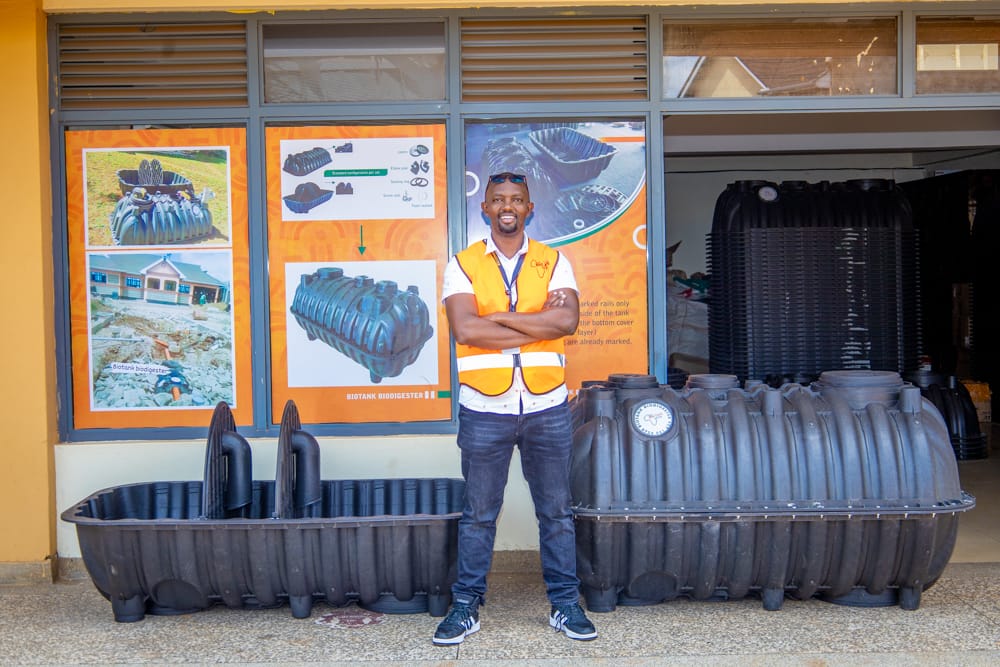
A ready-made plastic biodigester from Bio Tank Africa is compact and factory-built to fit standard residential plots. Browse our Biodigester Systems page to see the size options available:
- Biotank Compact — up to 10 users
- Biotank Standard — up to 15 users
- Biotank Plus — up to 25 users
- Biotank Max — up to 40 users
2. Requires Frequent Exhauster Services
A concrete biodigester septic tank accumulates sludge over time because the digestion process is less efficient than a properly functioning plastic biodigester. This means it needs to be emptied regularly by an exhauster truck, typically every one to three years.
In Kenya, exhauster services cost between KSh 5,000 and KSh 15,000 per visit and can be significantly higher in emergencies or remote areas. Over time, these costs add up considerably.
A plastic biodigester rarely needs exhauster services because the three-chamber system and active bacterial environment continuously break down waste, leaving very little accumulation. You can see how much you could save on our Cost Comparison page.
3. Higher Upfront Cost
Building a concrete biodigester septic tank requires masons, materials, excavation, and several days of labour. According to Drainblasters, concrete septic tanks have a higher upfront cost compared to alternative options, with materials and labour contributing significantly to the total expense. Tank Depot also notes that concrete tanks require special equipment to transport and install, adding further to the installation cost.
In Kenya, construction of a concrete biodigester septic tank starts at around KSh 120,000 for a basic residential unit and can reach KSh 200,000 or more depending on size, depth, and site conditions.
A ready-made plastic biodigester from Bio Tank Africa starts at KSh 45,500 for the Compact unit. Even the Biotank Max, suitable for up to 40 users, comes in at KSh 115,000, well below the starting price of a concrete build. For a full breakdown, read our Biodigester Cost in Kenya (2026) blog.

4. Requires More Manpower and Longer Construction Time
Building a concrete biodigester septic tank is a labour-intensive process. Masons must excavate, construct the chambers layer by layer, plaster the internal walls, allow curing time, and waterproof before the system can be used. This process typically takes five to ten working days and requires a team of workers and specialised equipment to move materials.
A plastic biodigester from Bio Tank Africa can be installed by any competent fundi in one to two days. The unit arrives ready to install with a detailed manual. You can find a trained installer through our Fundi Forum or use your own plumber.
5. Structural Risks and Cracking
Concrete biodigester septic tanks are susceptible to cracking over time, particularly in areas with expansive black cotton soil, which is common in parts of Nairobi, Nakuru, and Kisumu. As the soil expands when wet and contracts when dry, it places stress on the concrete structure, which can lead to leaks and contamination of surrounding ground.
Poor workmanship during construction, missed waterproofing, or tree root infiltration can also compromise the structural integrity of a concrete tank. Once cracking or leaking starts underground, it is difficult and expensive to detect and repair.
A plastic biodigester unit is moulded as a single structure with no seams or mortar joints to fail. It flexes slightly with soil movement, making it far more resilient in challenging soil conditions. For more on this, read our Plastic Biodigester vs Concrete Biodigester in Kenya guide.

6. Odour Problems
A concrete biodigester septic tank is more prone to odour problems, particularly when it is nearing capacity or when the bacterial ecosystem is disrupted. Poor sealing, cracking, or an overwhelmed system can allow gases and odours to escape.
A properly installed and maintained plastic biodigester is odour-free. The sealed three-chamber system contains all gases and the bacterial process works continuously to prevent waste buildup.
7. Sensitive to Certain Household Chemicals
This disadvantage applies equally to both concrete and plastic biodigester septic tanks. Both systems rely on living bacteria to function. Strong disinfectants, bleach-based toilet cleaners, and antibacterial soaps in large quantities can harm the bacterial ecosystem inside the tank, slowing or stopping the digestion process.
To maintain healthy bacteria in either system, switch to plant-based cleaners like Tazo Natural Home Cleaners and use Bioclean Septic or Bioclean Septic Plus regularly to replenish bacterial activity.

Are the Disadvantages of a Biodigester Septic Tank Deal-Breakers?
For most Kenyan homeowners considering a concrete build, yes. The disadvantages of a biodigester septic tank built from concrete, including the space it requires, the frequent exhauster costs, higher construction price, longer build time, and structural risks, make a strong case for choosing a ready-made plastic biodigester instead.
According to NEMA Kenya, properly treated biodigester effluent meets approved disposal standards. A well-installed plastic biodigester consistently meets this standard with far less maintenance than a concrete system.
For a complete picture of how the two systems compare, read our Septic Tank vs Biodigester in Kenya 2026 guide.
New to biodigesters altogether? Start here: Complete Guide to a Biodigester in Kenya (2026)
Frequently Asked Questions: Disadvantages of a Biodigester Septic Tank
What are the main disadvantages of a biodigester septic tank in Kenya?
The key disadvantages of a concrete biodigester septic tank are the large space requirement, frequent exhauster costs, higher construction cost, longer build time, and risk of cracking especially in black cotton soil areas. A ready-made plastic biodigester addresses all of these.
Does a biodigester septic tank smell?
A concrete biodigester septic tank can produce odour especially when nearing capacity or when cracked. A properly installed plastic biodigester should produce no detectable odour under normal conditions.
Can I use normal cleaning products with a biodigester septic tank?
Avoid bleach-based cleaners and strong antibacterial disinfectants in large quantities. Switch to plant-based alternatives like Tazo Natural Home Cleaners and use Bioclean Septic periodically to support bacterial activity.
Does a biodigester septic tank require emptying?
A concrete biodigester septic tank typically requires emptying every one to three years. A correctly sized and properly functioning plastic biodigester rarely needs desludging under normal conditions.
How does a plastic biodigester compare to a concrete biodigester septic tank?
A plastic biodigester is more compact, faster to install, cheaper upfront, and more resilient in challenging soil conditions. Read the full comparison here: Plastic Biodigester vs Concrete Biodigester in Kenya
Ready to Make the Switch to a Plastic Biodigester?
Bio Tank Africa supplies ready-made plastic biodigester systems across Kenya. We deliver countrywide.
Shop Now | Contact Us for a Quote | WhatsApp Us
Call or WhatsApp: +254 709 006 300