When homeowners in Kenya decide to install a biodigester, a second question quickly follows: should you get a plastic biodigester or have one built from concrete?
Both are biodigesters. Both use anaerobic bacteria to break down waste. But the differences in cost, installation time, durability, and long-term performance are significant enough to matter for your decision.
This guide breaks down the plastic biodigester Kenya options against concrete biodigester construction so you can make the right call for your home or property.
What Is a Plastic Biodigester?
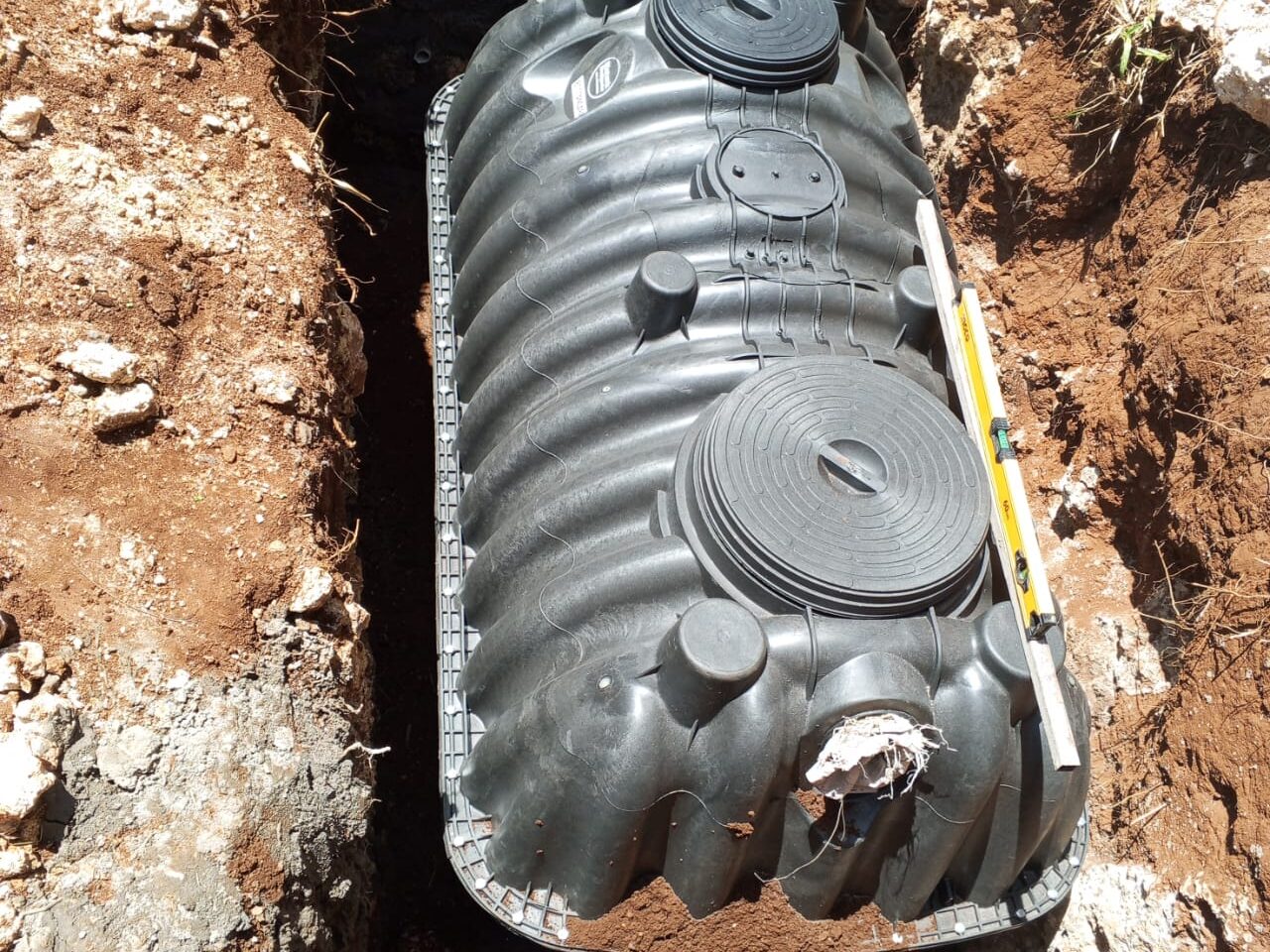
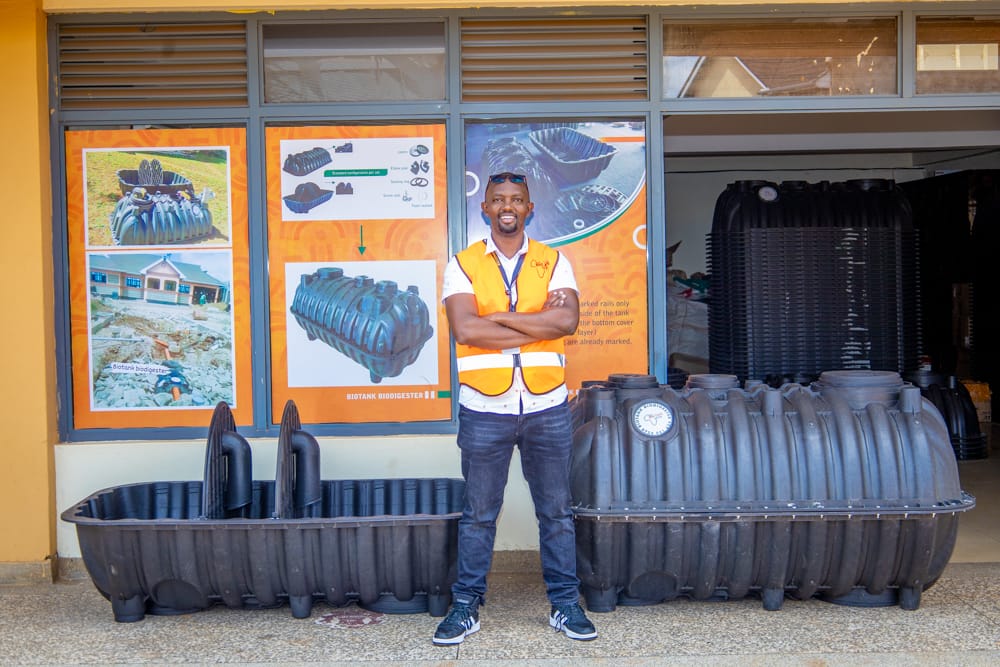
A plastic biodigester is a factory-manufactured, three-chamber unit made from high-density polyethylene (HDPE) or similar materials. It arrives at your site pre-assembled, ready to be lowered into an excavated pit and connected to your plumbing.
Bio Tank Africa’s ready-made biodigester systems are plastic biodigester Kenya units designed and tested for Kenyan conditions. They are lightweight, corrosion-resistant, and do not require any curing time before use.
What Is a Concrete Biodigester?
A concrete biodigester is built on-site by masons using bricks, cement, sand, and ballast. It follows a similar three-chamber design, but the construction happens at your plot rather than in a factory.
Concrete biodigesters are sometimes preferred on plots where custom sizing is a priority. They are also sometimes confused with concrete septic tanks, which are a different system altogether.
Read our full breakdown here: Septic Tank vs Biodigester in Kenya 2026
Plastic Biodigester vs Concrete Biodigester: Key Differences
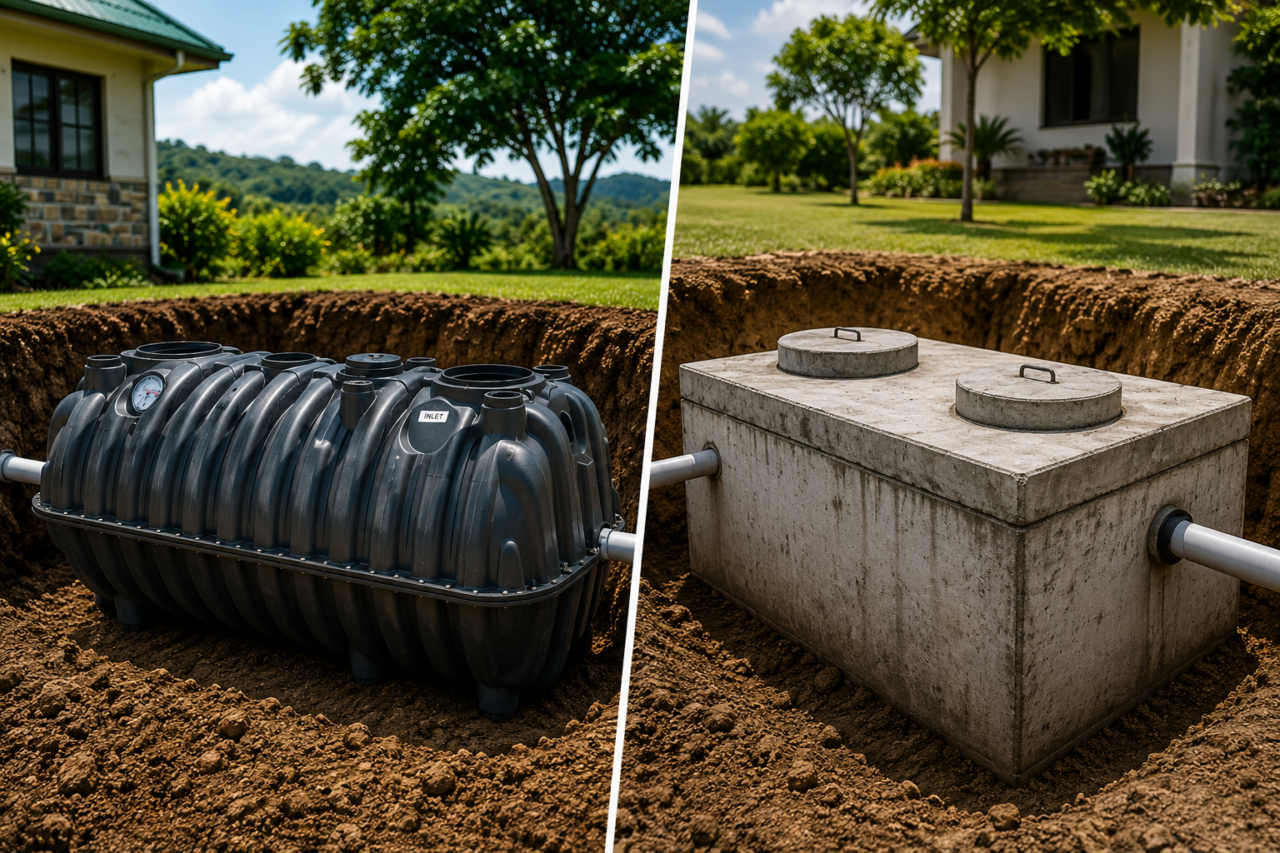
1. Cost
The plastic biodigester Kenya option is almost always cheaper for standard residential applications. Bio Tank Africa’s ready-made units range from KSh 45,500 for the Biotank Compact to KSh 115,000 for the Biotank Max. Delivery is quoted separately based on your location, and fundi labour is agreed directly between you and your plumber.
A concrete biodigester construction starts at around KSh 80,000 for a basic residential unit and can reach KSh 200,000 or more depending on size, depth, and site conditions. Labour, materials, and time all add up quickly.
2. Installation Time
A plastic biodigester installation typically takes one to two days. The unit arrives ready to install with a manual included. Your fundi excavates the pit, lowers the unit, connects the inlet and outlet pipes, backfills, and the job is done. You can find a trained installer through our Fundi Forum or use your own plumber.
A concrete biodigester construction takes five to ten working days minimum. Masons must dig, build the chambers layer by layer, plaster the internal walls, allow curing time, and then waterproof before the system can be used.
If you are on a tight construction schedule, the plastic biodigester Kenya option wins.
3. Structural Integrity and Leak Risk
Concrete biodigesters built by skilled masons can last decades. But concrete is only as good as the workmanship. Poor plastering, missed waterproofing, or ground movement in expansive soils like black cotton soil, common in parts of Nairobi, Nakuru, and Kisumu, can cause cracking and leaks over time.
Plastic biodigester units are a single moulded structure with no seams to crack, no mortar joints to fail, and no waterproofing to miss. They are structurally consistent regardless of who supervises the installation.
4. Soil Compatibility
Black cotton soil expands when wet and contracts when dry. This movement can crack concrete structures underground, including septic tanks and concrete biodigesters. It is one of the most common causes of structural failure in underground sanitation systems.
Plastic units flex slightly with soil movement, making them far more resilient in expansive soil conditions. This is one of the strongest arguments for the plastic biodigester Kenya option in areas with problematic soils.
5. Maintenance and Cleaning
Both systems require a similar level of operational maintenance: protect the bacterial ecosystem by avoiding bleach and harsh antibacterial cleaners, and ensure no non-biodegradable items enter the system.
To support digestion and prevent sludge buildup, we recommend Bioclean Septic or Bioclean Septic Plus, available separately.
For more on keeping your system running well, visit our Maintenance Tips page.
For physical maintenance, a concrete unit is harder to access and inspect. A plastic unit with proper inspection ports is easier to check when needed.

6. Lifespan
A well-built concrete biodigester can last 20 to 30 years. Bio Tank Africa’s plastic biodigester units have a design lifespan of 50 years or more when correctly installed and maintained, and meet material quality standards recognised by the Kenya Bureau of Standards (KEBS).
7. Environmental Impact
Both plastic and concrete biodigesters, when properly functioning, produce cleaner effluent than a conventional septic tank. Treated effluent from a properly installed biodigester meets the disposal standards set by the National Environment Management Authority (NEMA). The difference in environmental impact between the two comes down to installation quality rather than the material itself.
Which Type of Biodigester Is Right for Your Property?
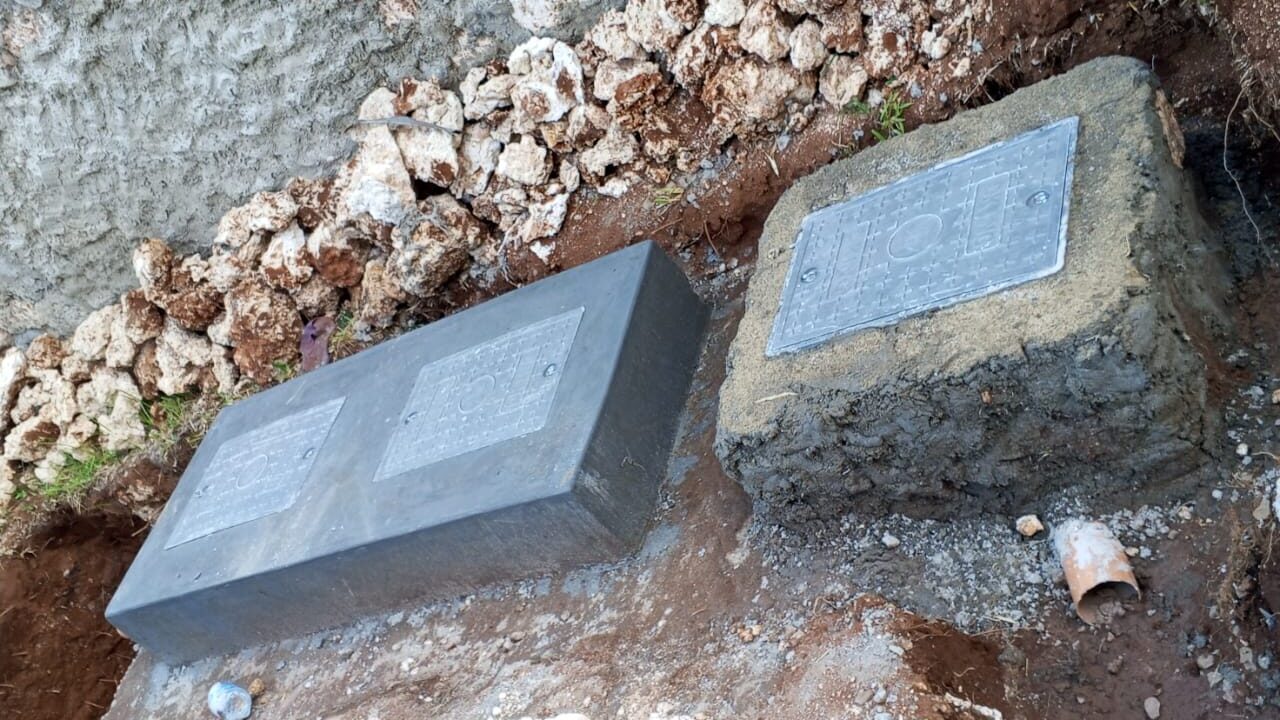
For most homeowners building in peri-urban areas or towns not covered by the county sewerage system, a plastic biodigester is the more practical choice. Lower cost, faster installation, predictable quality, and better performance in challenging soil conditions all point in one direction.
A concrete biodigester construction may make sense for very large institutions or where a custom size and configuration is genuinely required.
For the vast majority of Kenyan homes, the ready-made plastic biodigester delivers better value. Browse our full range on the Biodigester Systems page to find the right size for your household.
Not sure where to start? Read our Complete Guide to a Biodigester in Kenya (2026) for a full walkthrough.
Frequently Asked Questions: Plastic Biodigester Kenya
Is a plastic biodigester as strong as a concrete one?
In terms of functional performance, yes. The HDPE plastic used in Bio Tank Africa’s biodigester units is highly resistant to corrosion, chemical attack, and ground movement. It does not crack the way concrete can, especially in black cotton soil areas.
Can a plastic biodigester handle a large household?
Yes. The Biotank Max handles up to 40 users and is suitable for small facilities and boutique hospitality businesses. The Biotank Plus covers up to 25 users, and the Biotank Standard handles up to 15 users.
How long does plastic biodigester installation take?
One to two days for a standard residential property. The unit arrives ready to install with a manual, so your fundi can complete excavation, unit placement, plumbing connections, and backfilling within that timeframe.
Is concrete biodigester construction available in Kenya?
Yes, some contractors offer concrete biodigester construction. However, quality and cost vary significantly. If you choose this route, ensure the contractor has experience with properly designed three-chamber biodigester systems, not just septic tank construction.
Does Bio Tank Africa supply plastic biodigesters outside Nairobi?
Yes. Bio Tank Africa delivers countrywide. Contact us to get a delivery quote for your location.
Ready to Install a Plastic Biodigester in Kenya?
Bio Tank Africa supplies ready-made plastic biodigester systems across Kenya. We deliver countrywide.
Shop Now | Contact Us for a Quote | WhatsApp Us
Call or WhatsApp: +254 709 006 300